History

For the history page

History, Uncategorized

A Snapshot in History: RillitoBend in 1956

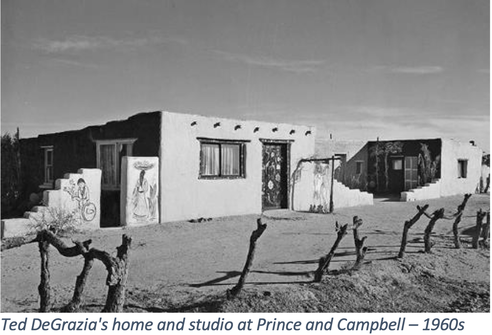
RillitoBend was—and is—a magnet for artists, writers, and musicians. In 1956 or so, the following residents lived in RillitoBend as drawn in the sketch compiled by Frank Thibault. Frank helped visionary artist George Phar Legler build the Valley of the Moon. For more information about the Valley of the Moon, visit RESOURCES. George Henry Weiss (Francis Flagg), science fiction authorFred Ronstadt (deceased)Gilbert RonstadtAlex and Walter Kellner, professional baseball playerPete Martinez, artistMaynard Dixon, artist (deceased)Oscar Davisson, sculptorEttore “Ted” De Grazia, artistWaldo Peirce, artistTom Bahti, Indian trader, author, artistSylvia Conant, artistCalla Ferry, artistWinifred WiseTucson Fine Arts Association (TFAA)George Phar Legler, visionary artistFrank Thibault, painter, writer
History, Uncategorized

Dedication of Rio Vista Natural Resource Park February 27, 2010

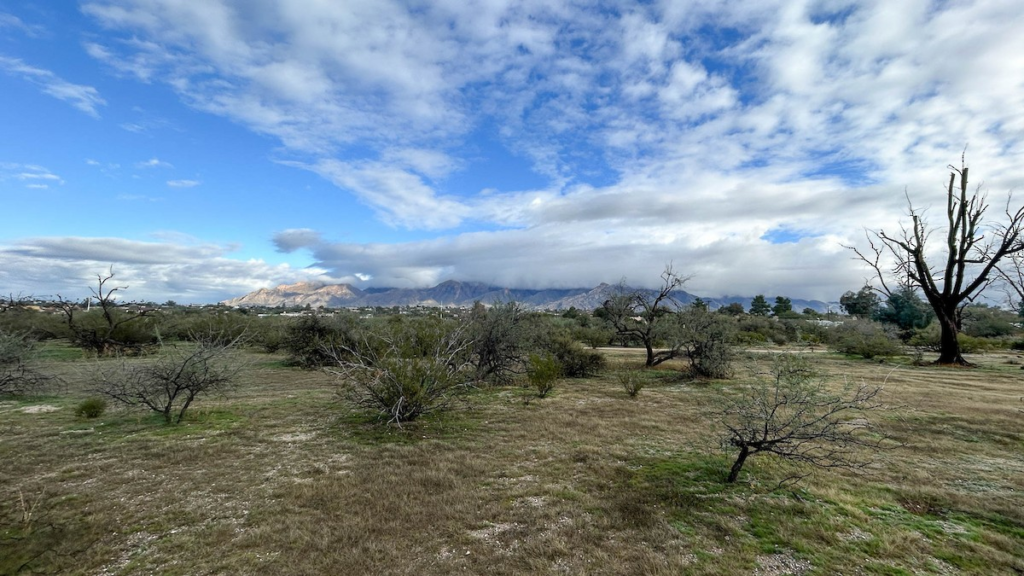
The dedication of the Rio Vista Natural Resource Park was celebrated by many residents and dignitaries including former Mayor George Miller, Ward 3 Council person Jerry Anderson, Pima County’s Board of Supervisors Sharon Bronson, Jim Ronstadt of the City of Tucson’s Park and Recreation Department and our Neighborhood Association’s officers. It was the culmination of years of collaboration with the City to establish this natural resource park, one of the first of its kind in the City.

History, Uncategorized

Community Efforts to Create Native Habitats

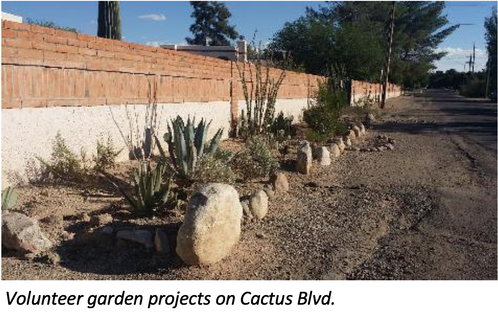
Neighbors are becoming increasingly aware of the need for more native vegetation in their yards and common areas. This trend is very much welcomed by the broader neighborhood as we seek safe and sustaining spaces for urban wildlife. The Neighborhood Enhancement committee, led by Estelle Stern-Eilers, addresses ways we can improve the natural vegetation throughout the neighborhood. Clean-up and planting/weeding events are scheduled throughout the year, so come on out! Refer to the NEWS page to find out more. The Rio Vista Natural Resource ParkEstablished as one of Tucson’s first natural resource park, Rio Vista exists in this form because of 15 years of volunteer work by committed neighbors and City officials. It is dedicated to respecting the natural environment by conserving the native vegetation on 44 acres stretching from the north end of Tucson Blvd. to the north end of Cactus Blvd. Read about its dedication in the following story. RillitoBend Vision StatementThe RillitoBend neighborhood has drafted a Vision Plan for the RillitoBend Neighborhood through a series of planned integrated projects with governmental and neighborhood partners.  This Vision helps build on our unique history, our artistic heritage, and our position at the interface between the Rillito River and the City’s major drainages.  You can review the Vision Plan on the DOCUMENTS page. Tucson’s Bike BoulevardA City initiative, the Tucson Bike Boulevard project is gaining steam, and Cactus Blvd is part of the bike connector thruway with Treat Avenue, making Livable Streets part of our neighborhood. Stephen Brigham has been instrumental in guiding city officials and acting as our advocate. Go to the DOCUMENTS page for more information on the City’s Bike Boulevard.

History, Uncategorized

Natural History of RillitoBend

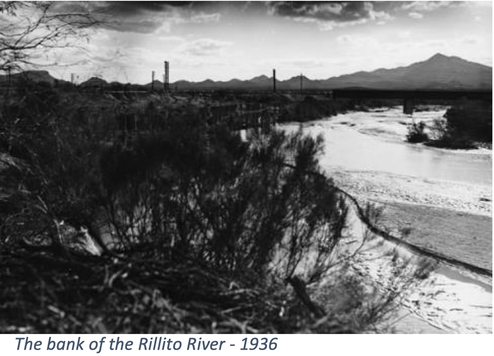
The RillitoBend Neighborhood, formerly the Prince-Tucson Neighborhood, enjoys close proximity to the major midtown run of the Rillito River, situated along and in the bend of the river. Descending geological terraces direct six designated washes from Prince Road north to the Rillito. These washes historically nourished an urban forest in the heart of the neighborhood. Watermelons, healthy eucalyptus and mesquites grew; and horse farms were common in the area. Wildlife roamed freely in this arboreal desert landscape. The area attracted many artists—writers, musicians, painters, and the like. Some famous, such as Maynard Dixon, lived here. Others were local legends such as visionary artist George Phar Legler of the Valley of the Moon. Please read SNAPSHOT IN HISTORY post for a peek into the neighborhood’s artistic community. It continues to be a magnet for many seeking the beauty of the desert in an urban setting. Over recent decades, relatively unrestrained development modified the land surface to build residential homes, and, in the process, has disrupted the natural flow of water through the core of the neighborhood. Such actions, along with increased paving, removal of native mesquites and recent years of drought, have severely compromised the natural environment and eroded the neighborhood esthetic. Only in scattered areas do substantial remnant mesquite trees, with their inviting canopies, remain to remind us of our lost past.  

Scroll to Top